

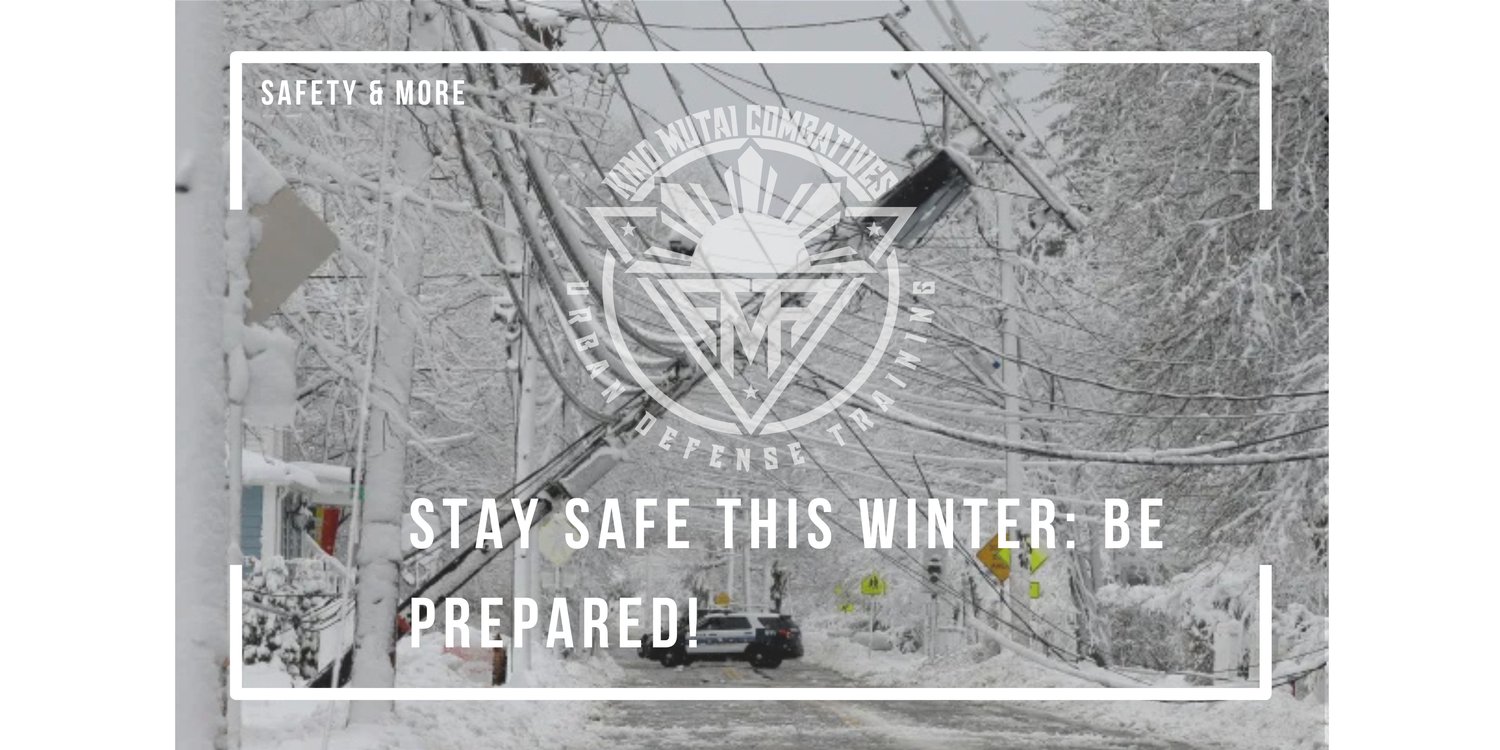
Facing the Wrath of Winter Storms
Winter storms are among the most disruptive and potentially hazardous weather events. They bring not only snow and ice but also power outages, dangerous roads, and health risks such as frostbite and hypothermia. Every year, families are caught off guard, leading to unnecessary hardship. The good news is that you can take steps to protect your loved ones, your home, and your pets. This guide offers an in-depth approach to winter storm preparedness, combining essential tips, expert safety advice, and actionable steps to ensure you’re ready for whatever winter throws your way.
Comprehensive Winter Storm Preparedness
1. Build a Robust Emergency Kit
Your emergency kit should sustain your household for at least 3-5 days. Tailor it to your family’s specific needs and include extra items for vulnerable individuals like children, the elderly, or those with medical conditions.
What to Include:
- Non-perishable food: Canned goods, dried fruits, granola bars, and high-calorie snacks. Include baby food or special dietary items if necessary.
- Water: At least one gallon per person per day for drinking and sanitation. Store in durable, sealed containers.
- Lighting: Flashlights, LED lanterns, and plenty of extra batteries. Consider long-lasting emergency candles.
- First-aid kit: Include bandages, antiseptics, over-the-counter pain relievers, and any prescription medications. Add thermal emergency blankets and hand warmers.
- Communication devices: A battery-powered or hand-crank radio for updates. Portable chargers or power banks for mobile devices.
- Tools and Supplies: Multi-purpose tool, duct tape, plastic sheeting for temporary repairs, and garbage bags for sanitation.
- Hygiene products: Soap, toothbrushes, toothpaste, hand sanitizer, and moist towelettes.
2. Fortify Your Home Against Winter’s Wrath
Taking preventative measures to secure your home can save you money, energy, and stress during a storm.
Steps to Prepare Your Home:
- Insulate thoroughly: Use weatherstripping and caulk to seal cracks around doors and windows. Cover windows with heavy curtains or insulating film.
- Maintain your heating system: Schedule a professional inspection before winter starts. Clean chimneys and vents, and test smoke and carbon monoxide detectors monthly.
- Protect your plumbing: Insulate exposed pipes, and leave faucets dripping during extreme cold to prevent freezing. Know how to shut off water in case of a burst pipe.
- Secure your roof and gutters: Clear gutters of leaves and debris to prevent ice dams. Check for loose shingles or weak spots.
- Stock emergency heating options: Consider a kerosene or propane heater approved for indoor use, but ensure proper ventilation to avoid carbon monoxide buildup.
3. Have a Reliable Communication and Emergency Plan
In severe weather, staying informed and connected can save lives.
Tips for Staying Connected:
- Sign up for local weather alerts through apps or government services.
- Keep a family emergency communication plan, including a designated meeting point and an out-of-town contact for updates.
- Use social media and messaging apps to check on neighbors, especially the elderly or disabled.
4. Prepare for Power Outages
Power outages are a common consequence of winter storms. They can last hours or days, making preparation crucial.
How to Manage Without Power:
- Lighting: Keep flashlights accessible in each room. Avoid candles unless supervised.
- Heating: Dress in layers, use extra blankets, and close off unused rooms to conserve heat. If using a fireplace, ensure the flue is open and clear of debris.
- Refrigeration: A full freezer can keep food frozen for up to 48 hours. Have a cooler and ice packs ready for perishable items.
- Electronics: Charge devices before the storm hits. Solar chargers or power banks are invaluable backups.
5. Winter Driving Safety
Traveling during a storm is risky and should be avoided when possible. If driving is unavoidable, follow these safety precautions:
Before You Leave:
- Check weather and road conditions.
- Ensure your vehicle is winter-ready, with snow tires, a full tank of gas, and an emergency car kit.
- Pack essentials: blankets, food, water, flashlight, jumper cables, and a first-aid kit.
On the Road:
- Drive slowly and maintain a safe distance from other vehicles.
- Avoid sudden braking or acceleration to prevent skidding.
- If stranded, stay with your vehicle, signal for help, and conserve fuel.
6. Keep Pets Safe and Comfortable
Don’t overlook your furry family members during a winter storm.
Pet Preparedness Tips:
- Bring pets indoors before the storm arrives.
- Stock up on food, water, and medications.
- Provide a warm, draft-free area for pets to rest.
- Ensure pets have updated ID tags or microchip information in case of separation.
7. Mental and Emotional Preparedness
Winter storms can be stressful, especially for children and individuals prone to anxiety.
How to Stay Calm and Engaged:
- Prepare activities like board games, books, or crafts to keep the family entertained.
- Stay positive and calm—your attitude can influence others in your household.
- Practice mindfulness or relaxation techniques to reduce stress.
Key Safety Advice to Remember
- Stay Indoors: Avoid unnecessary travel and outdoor exposure.
- Be Cautious with Heat Sources: Use heaters and fireplaces responsibly to prevent fires or carbon monoxide poisoning.
- Check on Others: Vulnerable neighbors and family members may need extra help.
- Avoid Overexertion: Shoveling snow can strain your heart. Take breaks and stay hydrated.
Summary: Preparing for the Worst, Hoping for the Best
Winter storms may be unavoidable, but their impact can be mitigated with proactive planning.
- Build a robust emergency kit.
- Winterize your home to conserve energy and stay warm.
- Stay informed through reliable sources and have a communication plan.
- Plan for power outages, stock up on snow removal tools, and ensure your pets are safe.
- Stay calm, and keep everyone engaged and comfortable during the storm.
With these measures in place, you’ll be equipped to handle winter’s worst while keeping your family safe and secure.
Conclusion: Empower Yourself with Preparedness
Winter storms test our resilience, but preparation ensures we come out stronger and safer. By taking these steps, you protect not only your family but also contribute to a safer and more prepared community.
Share and Prepare Together
Don’t let this information stop with you! Share this article with your friends, family, and social networks to inspire others to prepare. Together, we can build a community that’s ready to face winter storms with confidence and care.
Stay warm, stay prepared, and stay safe! 🌨️✨
Comments ()