
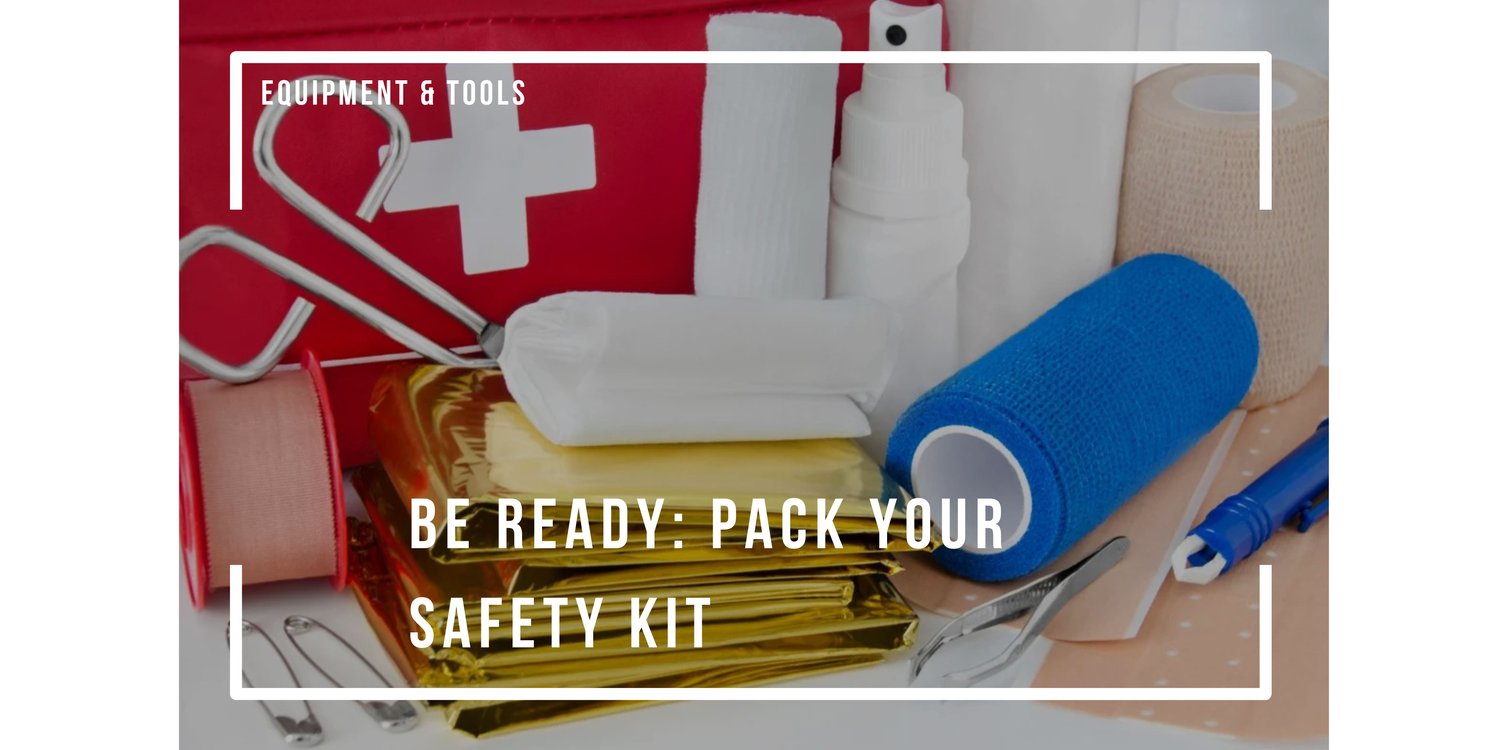
Emergencies can occur anywhere and at any time, making it essential to be prepared. Whether you are in an urban environment, traveling in remote locations, or working in hazardous areas, having a well-equipped personal emergency kit can be life-saving. This kit is designed to treat minor injuries and stabilize conditions until professional medical help is available. A personal emergency kit should be compact, lightweight, and tailored to the individual's specific needs and environment.
Essential Components of a Personal Emergency Kit
A properly assembled emergency kit should include the following categories of supplies:
1. Basic First Aid Supplies
- Adhesive bandages (various sizes) – For covering small cuts, blisters, and abrasions.
- Sterile gauze pads and adhesive tape – To dress larger wounds and control bleeding.
- Elastic bandage (ACE wrap) – Useful for sprains, strains, and support for weak joints.
- Butterfly closures or Steri-Strips – For closing small wounds and lacerations.
- Alcohol wipes and antiseptic solution (e.g., iodine, hydrogen peroxide) – To clean wounds and prevent infection.
- Cotton swabs and sterile gloves – For hygienic handling of wounds.
2. Wound Care and Disinfection
- Antiseptic ointment (e.g., Neosporin, Betadine) – To prevent infection in minor cuts and burns.
- Hydrocolloid dressings – Ideal for blisters, burns, and shallow wounds.
- Tweezers and splinter remover – For removing foreign objects such as splinters and glass fragments.
- Scissors (medical-grade) – For cutting bandages, tape, or clothing in an emergency.
- Irrigation syringe or saline solution – For flushing out wounds or debris from eyes.
3. Pain Management and Medications
- Pain relievers (Ibuprofen, Acetaminophen, or Aspirin) – For managing pain and inflammation.
- Antihistamines (Diphenhydramine, Loratadine) – For allergic reactions and insect bites.
- Antidiarrheal medication (Loperamide) – To control diarrhea, especially in remote locations.
- Electrolyte tablets or oral rehydration salts – To prevent dehydration in extreme conditions.
- Personal prescription medications – If applicable, including a few extra doses in case of emergency.
4. Emergency Tools and Survival Items
- CPR face shield/mask – To provide safe mouth-to-mouth resuscitation.
- Thermal blanket (Mylar space blanket) – To retain body heat in cold conditions.
- Emergency whistle – To signal for help in remote locations.
- Multi-tool or Swiss Army knife – For various emergency situations.
- Flashlight with extra batteries – Essential for night-time or low-visibility emergencies.
- Duct tape – Multi-purpose use for securing dressings, makeshift splints, or emergency repairs.
5. Specialized Items (Based on Environment and Personal Needs)
- Burn gel or burn dressings – If working in a high-risk environment for burns.
- Hemostatic dressing or clotting agent (Celox, QuikClot) – Useful for controlling severe bleeding.
- Snake bite kit – If traveling in snake-prone areas.
- EpiPen (if prescribed) – For severe allergic reactions.
- Cooling packs – For heat-related emergencies and inflammation reduction.
- Glucose tablets or gel – Useful for individuals with diabetes or those prone to low blood sugar.
How to Pack and Maintain Your Emergency Kit
- Choose a Durable, Waterproof Container
- A small, sturdy bag with compartments helps keep items organized.
- Waterproof pouches or cases are recommended for outdoor or marine environments.
- Organize Items for Quick Access
- Label sections or use color-coded pouches for different categories (wound care, medication, tools, etc.).
- Keep frequently used items in the easiest-to-reach locations.
- Regularly Check and Replenish Supplies
- Check expiration dates on medications, antiseptics, and ointments.
- Replace used or damaged items immediately.
- Update the kit based on seasonal changes, travel plans, or medical needs.
- Train Yourself and Others on Basic First Aid
- Knowing how to properly use the items in your kit is crucial.
- Take a first aid and CPR course to improve your emergency response skills.
When to Use an Emergency Kit
A personal emergency kit is designed for treating minor injuries, but it can also serve as a first response tool in more serious situations until professional medical help is available. Common scenarios where the kit may be needed include:
- Cuts, scrapes, and burns – Immediate cleaning and dressing can prevent infection.
- Sprains and strains – Wrapping and stabilizing the injured area can prevent further damage.
- Allergic reactions – Quick administration of antihistamines or an EpiPen can be life-saving.
- Minor fractures or dislocations – Temporary splinting can help until medical aid arrives.
- Dehydration or heat exhaustion – Rehydration solutions and cooling packs can help stabilize the individual.
Conclusion
A well-prepared personal emergency kit is an essential component of any safety plan, especially for individuals in remote or hazardous environments. By including basic medical supplies, wound care essentials, pain management, and survival tools, this kit enables quick and effective response to minor injuries and medical situations. Regular maintenance and proper training further enhance its usefulness, ensuring you are always prepared for unexpected emergencies.
Being proactive in your emergency preparedness not only increases personal safety but also equips you to assist others in critical situations. Whether you are an outdoor enthusiast, a professional working in high-risk areas, or simply someone who values preparedness, a personal emergency kit is an investment in your well-being and peace of mind.
Comments ()